Pickup from your hotel begins around 6:30 am, while Cusco and the surrounding mountains are still quiet beneath the first morning light. The route descends gradually into the Sacred Valley, passing cultivated terraces, eucalyptus groves, and small Andean communities already active with daily life.
PISAC — TERRACES ABOVE THE RIVER
The first stop is Pisac, where ancient agricultural terraces rise above the valley floor. Walking through original stone paths, the experience connects architecture, farming, and mountain geography while overlooking the Vilcanota River below.
After exploring the archaeological sector, there is time to visit the lower town, where artisan workshops and local markets continue as part of everyday Andean life.
OLLANTAYTAMBO — THE LIVING INKA TOWN
The journey continues west through the valley toward Ollantaytambo, one of the last continuously inhabited Inka towns in the Andes.
Original stone streets, water channels, and ancient foundations remain fully integrated into local life. Massive terraces rise above the village while the surrounding mountains protect one of the most important historical settlements of the Sacred Valley.
Lunch is shared here in a quiet local setting using regional ingredients sourced from nearby valleys.
MARAS — HIGHLAND VILLAGE & CHICHA TRADITION
In the afternoon, the route climbs toward the quieter highlands above the valley.
In Maras, time is taken to walk slowly through the traditional village, where adobe homes, colonial balconies, weaving families, grazing alpacas, and farmers returning from the fields still shape the atmosphere of the town.
Here, travelers also have the opportunity to taste traditional chicha de maíz, the ancestral corn drink deeply connected to Andean culture and community gatherings.
Nearby, the Maras salt terraces descend across the mountainside — thousands of mineral-rich pools still harvested today by local families using traditional methods passed through generations.
MORAY — CIRCLES OF AGRICULTURAL KNOWLEDGE
The final stop is Moray, where enormous circular terraces descend into the earth like natural amphitheaters.
The site reflects the Inka understanding of agriculture, climate adaptation, and mountain ecology. Surrounded by open skies and highland silence, Moray offers one of the calmest moments of the entire route before returning to Cusco in the early evening.
Details
• Difficulty: Easy to Moderate
• Maximum altitude: 3760 mt /12,335ft
• Walking time: 3–4 hrs (distributed)
• Transportation time: Approx. 5–6 hrs total
• Meals: Lunch
• Pisac: 2970 mt / 9,711ft
• Urubamba: 2870 mt / 9,416ft
• Moray: 3500 mt / 11,482ft
• Chinchero: 3760 mt / 12,335ft
• Cusco: 3350 mt / 10,990ft
• Return: Approx. 6:30 pm

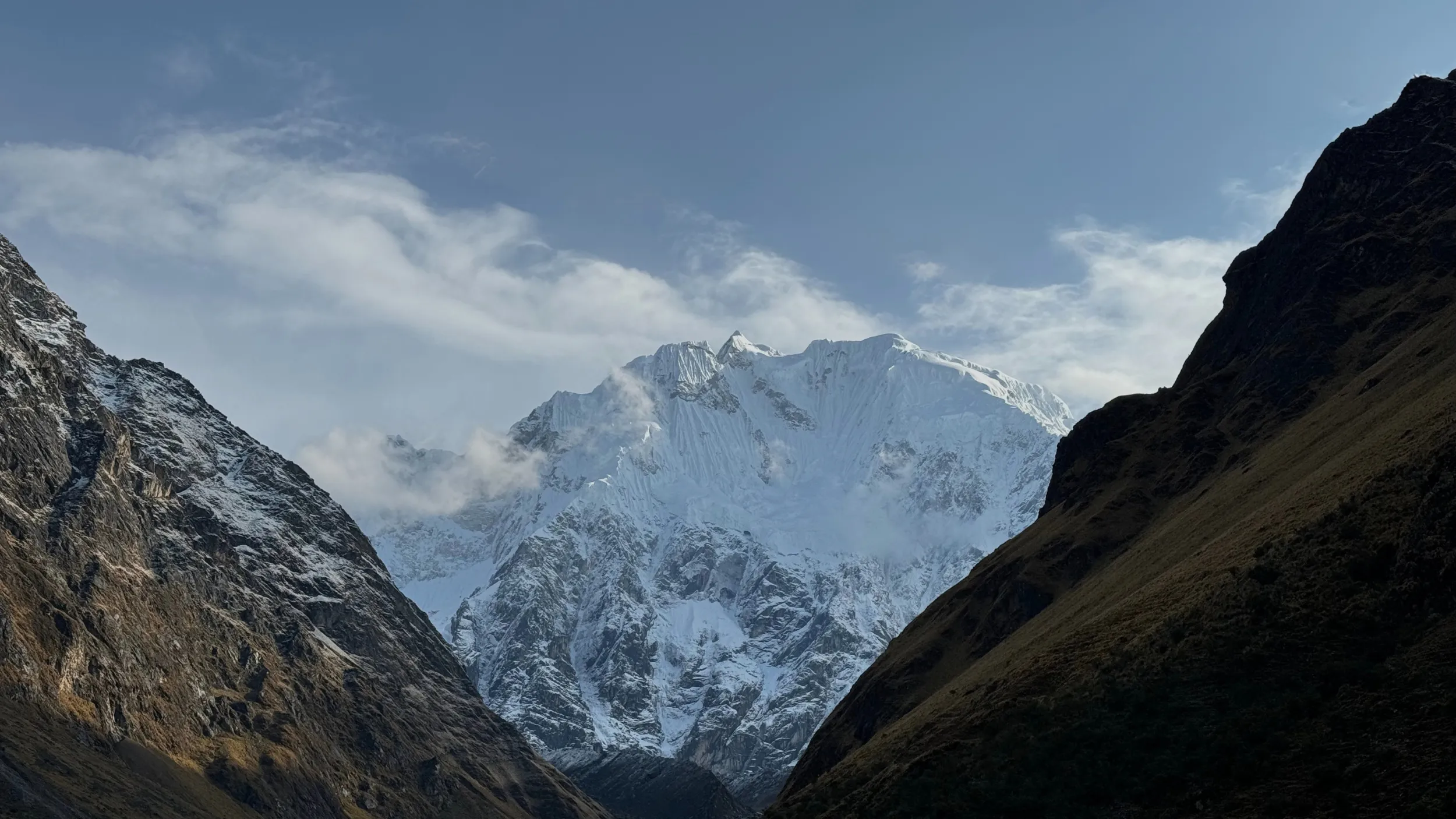
While other destinations face the saturation of mass tourism, Choquequirao remains in a state of absolute stillness. Our route connects...
S/.5
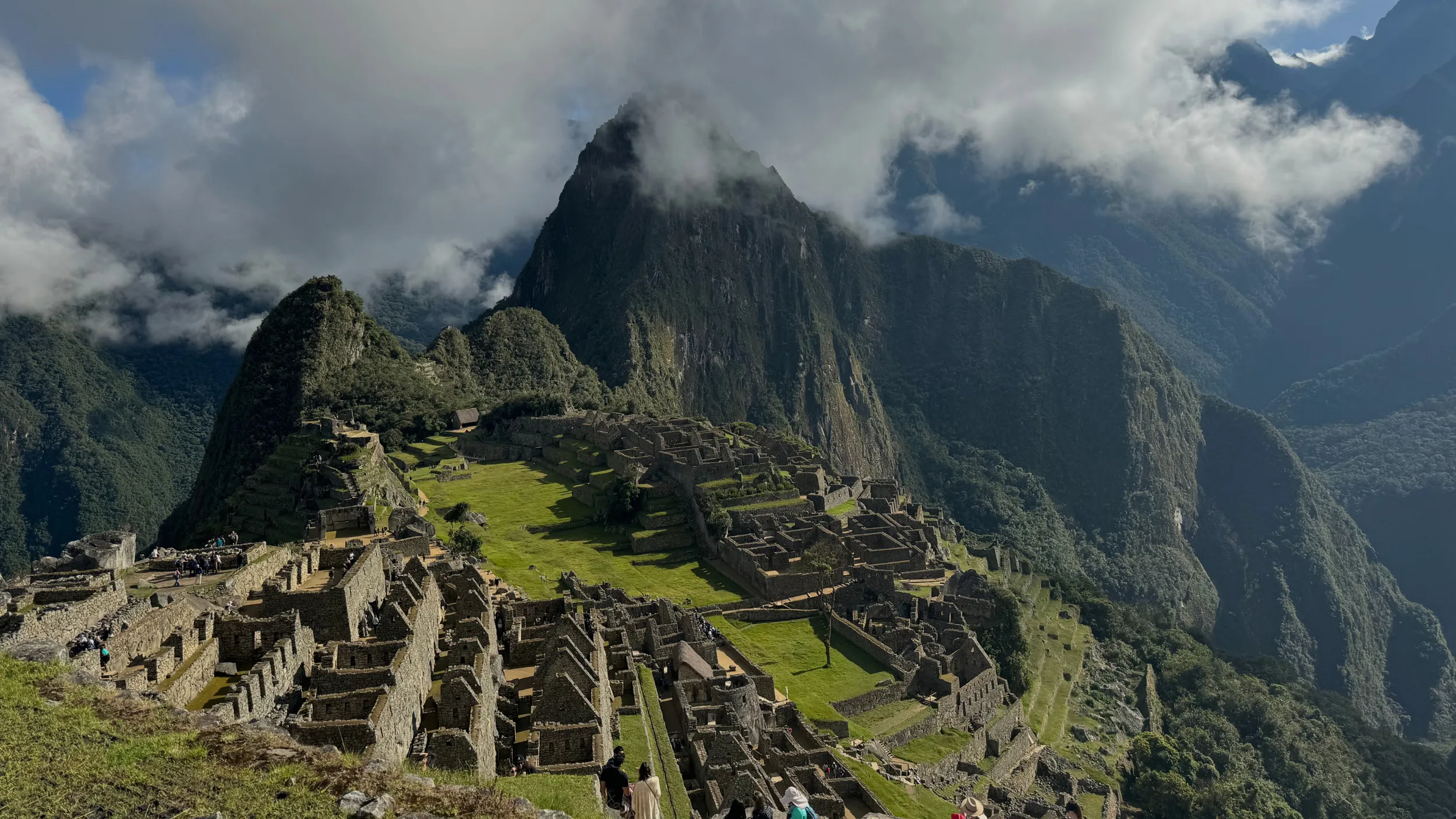
From this point, the landscape opens wide. Inti Punku was not a passage, but a place of observation and ceremony,...
S/.5
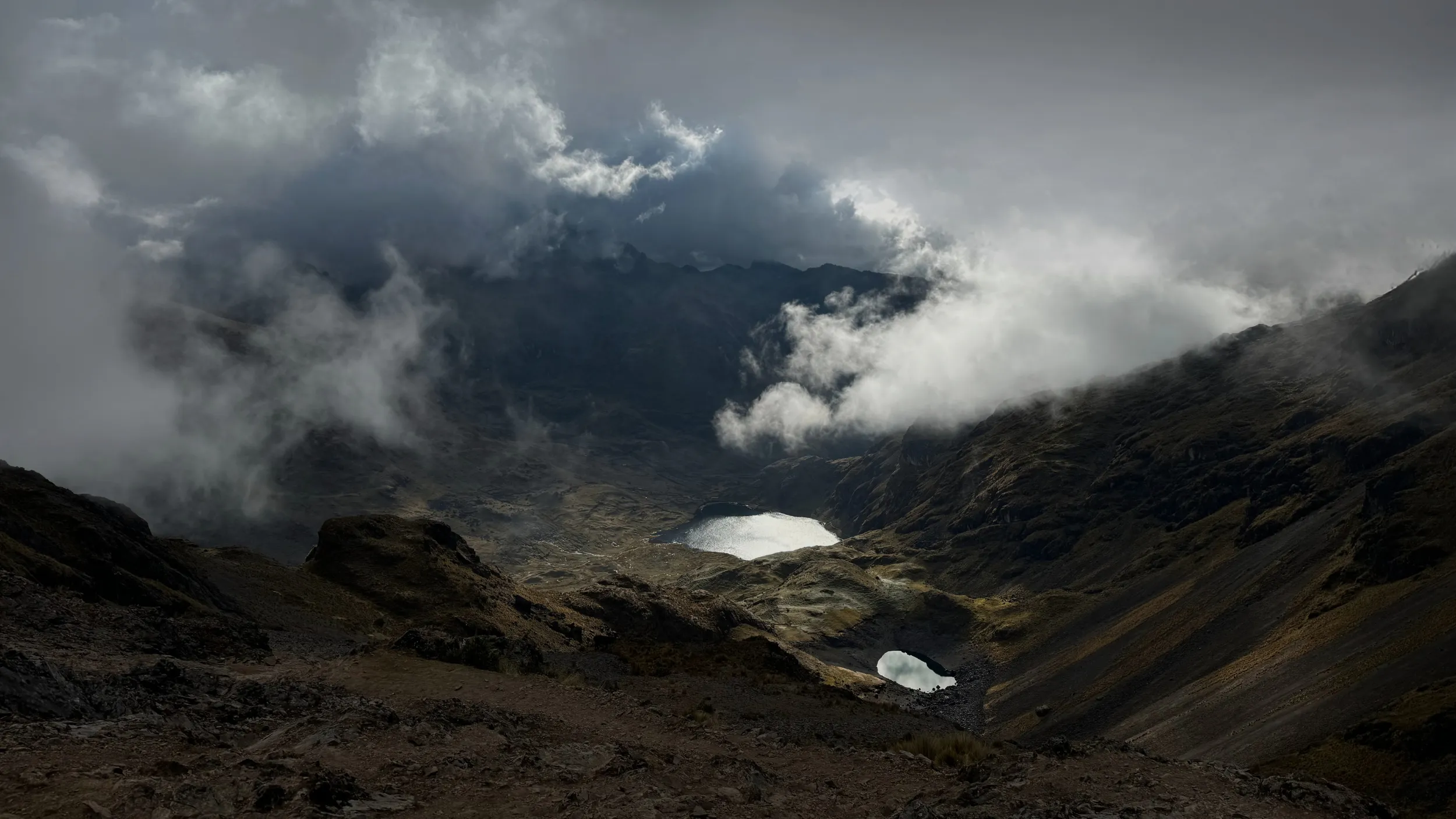
This is not a trail designed for tourism, but a living landscape. You walk alongside local families, herds of alpacas,...
S/.5
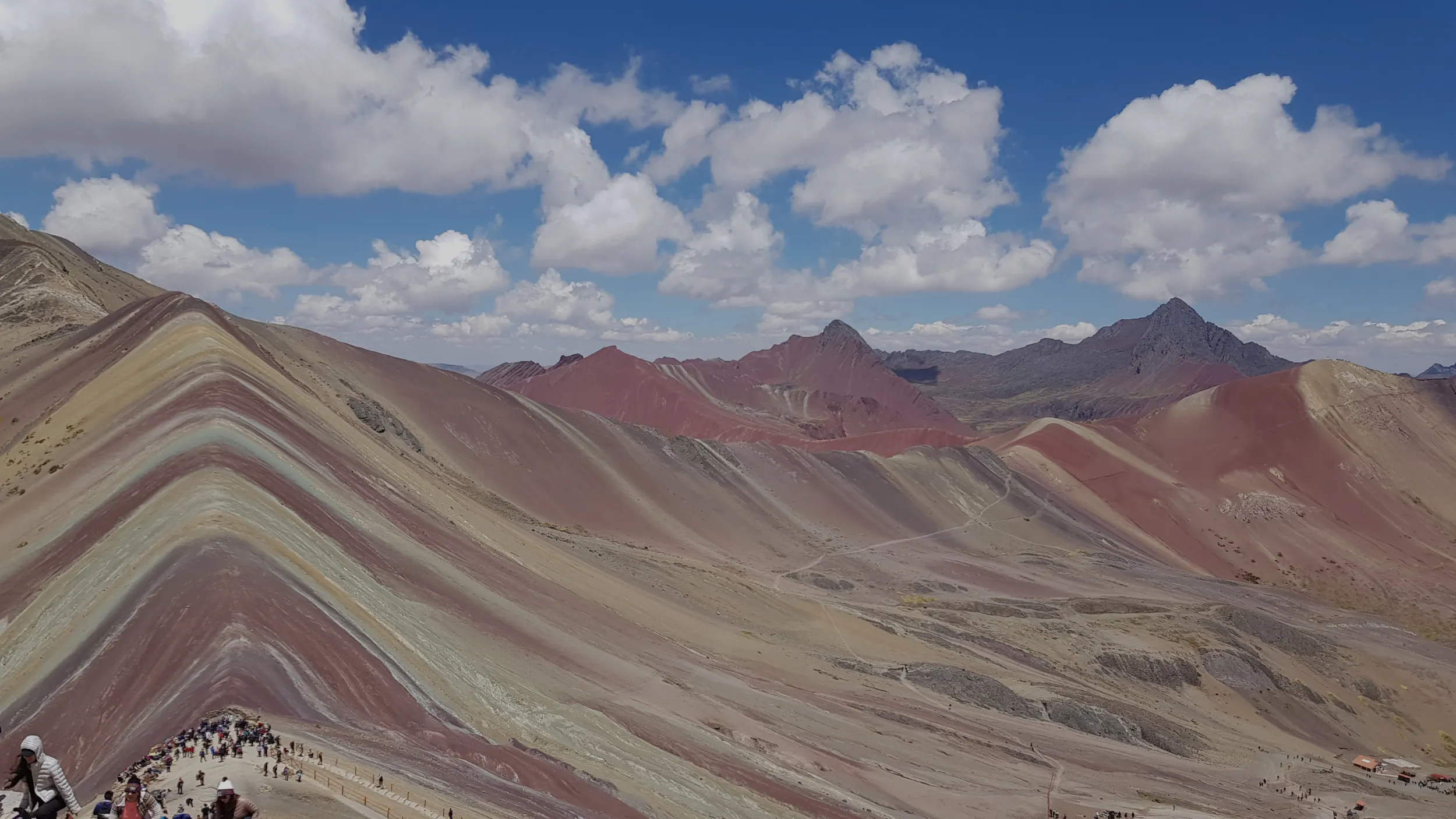
Along the way, alpacas, llamas, and sheep move across open grazing lands, guided by families who work these elevations year-round....
S/.5