Choquequirao Trek - Pachamama Expeditions Travel Skip to main content

Pachamama Expeditions Travel

Connection – Scale – Silence

Choquequirao Trek

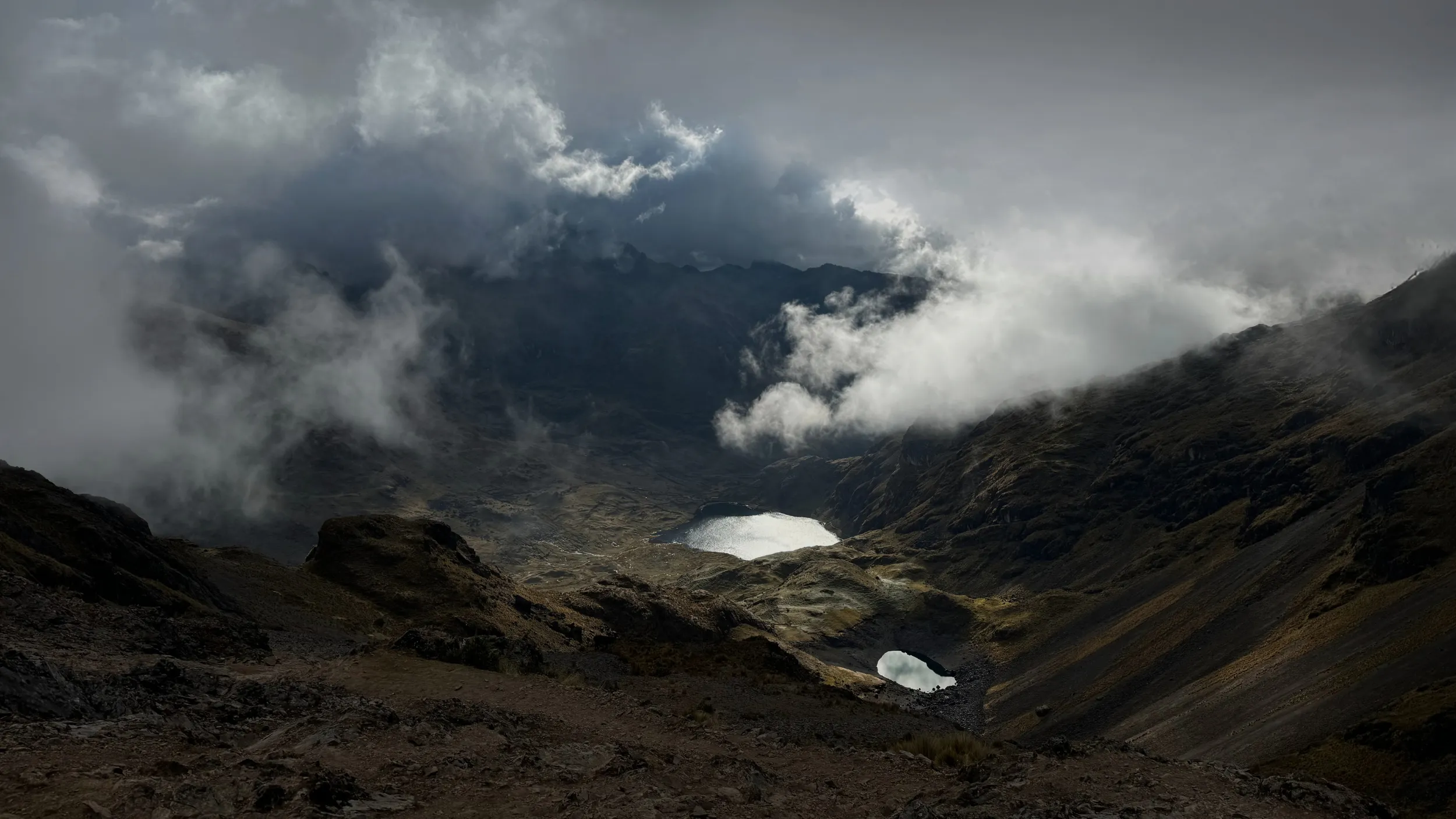
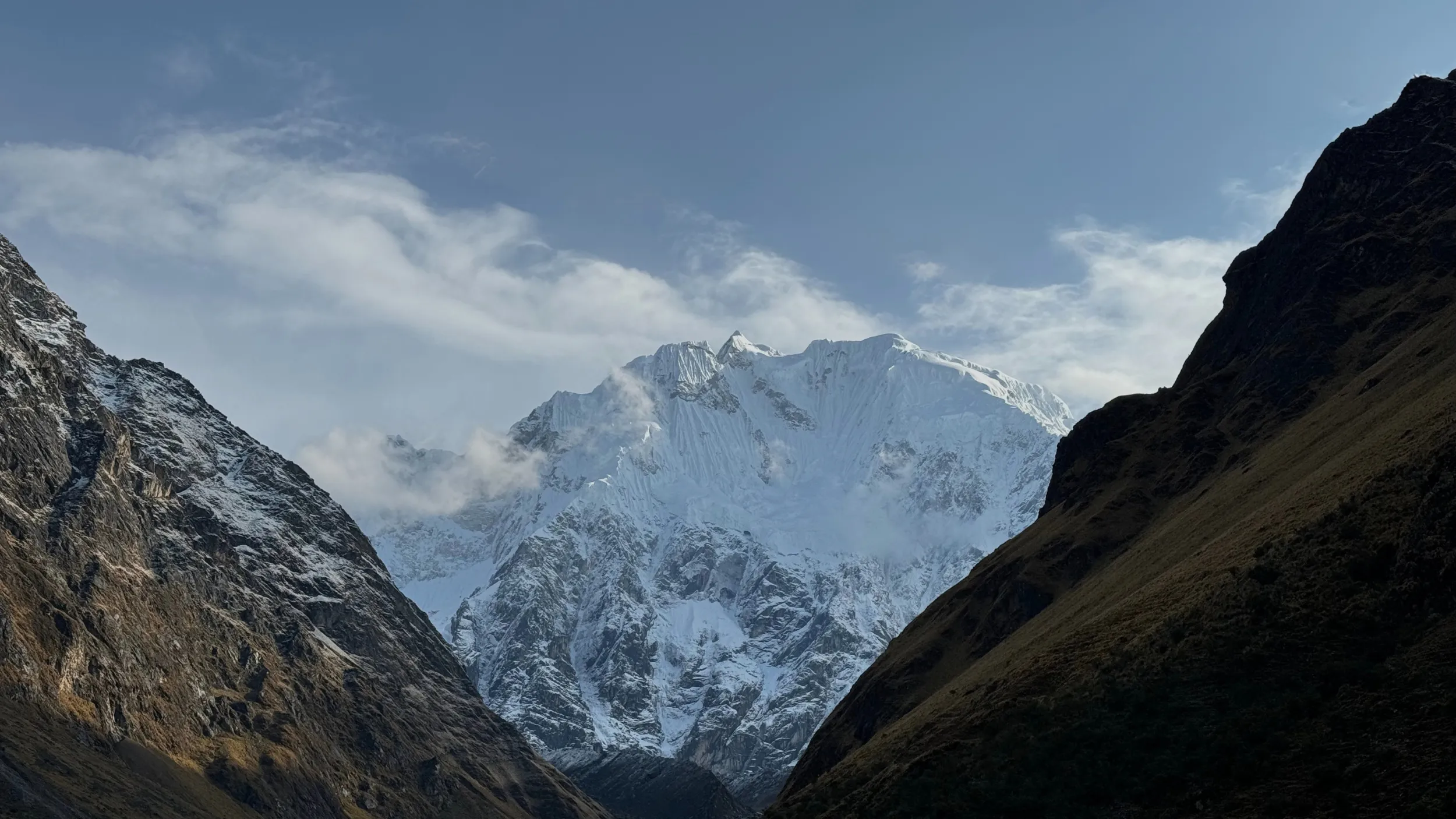
Often referred to as the sister of Machu Picchu, Choquequirao is reached through movement rather than access. The route descends into the depth of the Apurímac Canyon before rising again toward a site that remains partially concealed within the mountain. Above, Padreyoc stands present but distant, reinforcing the scale of the terrain.

4 Days 3 Nights

Trip Highlights

  • Entrance ticket to Choquequirao Archaeological Site
  • Fully guided trekking experience across all stages

Ready to explore? Simply send us your preferred date

Choquequirao Trek

The journey unfolds at a steady pace shaped by elevation, heat, and distance. Days are shared with the trekking team and, at times, with families living along the route. Camps and meals follow the logic of the landscape rather than a fixed structure.

This experience suits travelers who value space, physical engagement, and a quieter path—those willing to understand the Andes by crossing it on foot.

No rush. No imposed rhythm.

Movement follows terrain, climate, and distance. We move through Choquequirao without altering it—adapting to its conditions rather than reshaping them.

Itinerary

Departure from Cusco begins at 4:30 am, moving west toward the highlands of Cachora. A simple breakfast is shared in town before continuing to Capuliyoc, where the canyon opens wide and Choquequirao appears in the distance across the valley.
The trail descends steadily along exposed slopes, with the air warming as altitude is lost. The path is constant, allowing a natural rhythm without pressure. Vegetation becomes denser as the route approaches the canyon floor.
Lunch is prepared near Chiquisca and shared in the shade, while the sound of the Apurímac River rises from below. The descent continues to Playa Rosalina before the trail shifts upward toward Santa Rosa Baja.
The final ascent is steady. Camp is set near a local family, where small crops grow despite the steep terrain. Dinner is prepared by the team as the light fades and the canyon settles into silence.

Details
• Difficulty: Moderate
• Maximum altitude: 3100 m / 10,170ft
• Walking time: 7 hrs
• Walking distance: 14 km / 8.6 mi
• Accommodation: Andean Expedition Camps
• Capuliyoc (trailhead): 3020 m
• Playa Rosalina: 1550 m
• Santa Rosa Baja (camp): 1970 m / 6,463 ft
• Arrival: 5:00 pm
The morning begins with a warm drink and breakfast prepared by the team. The trail climbs immediately, following a sustained ascent through switchbacks that demand a steady, controlled pace.
As elevation is gained, the canyon opens fully, revealing its scale. After several hours, the terrain softens near Marampata, the last inhabited point before Choquequirao. Fields and small homes reappear briefly, marking a transition back into human presence.
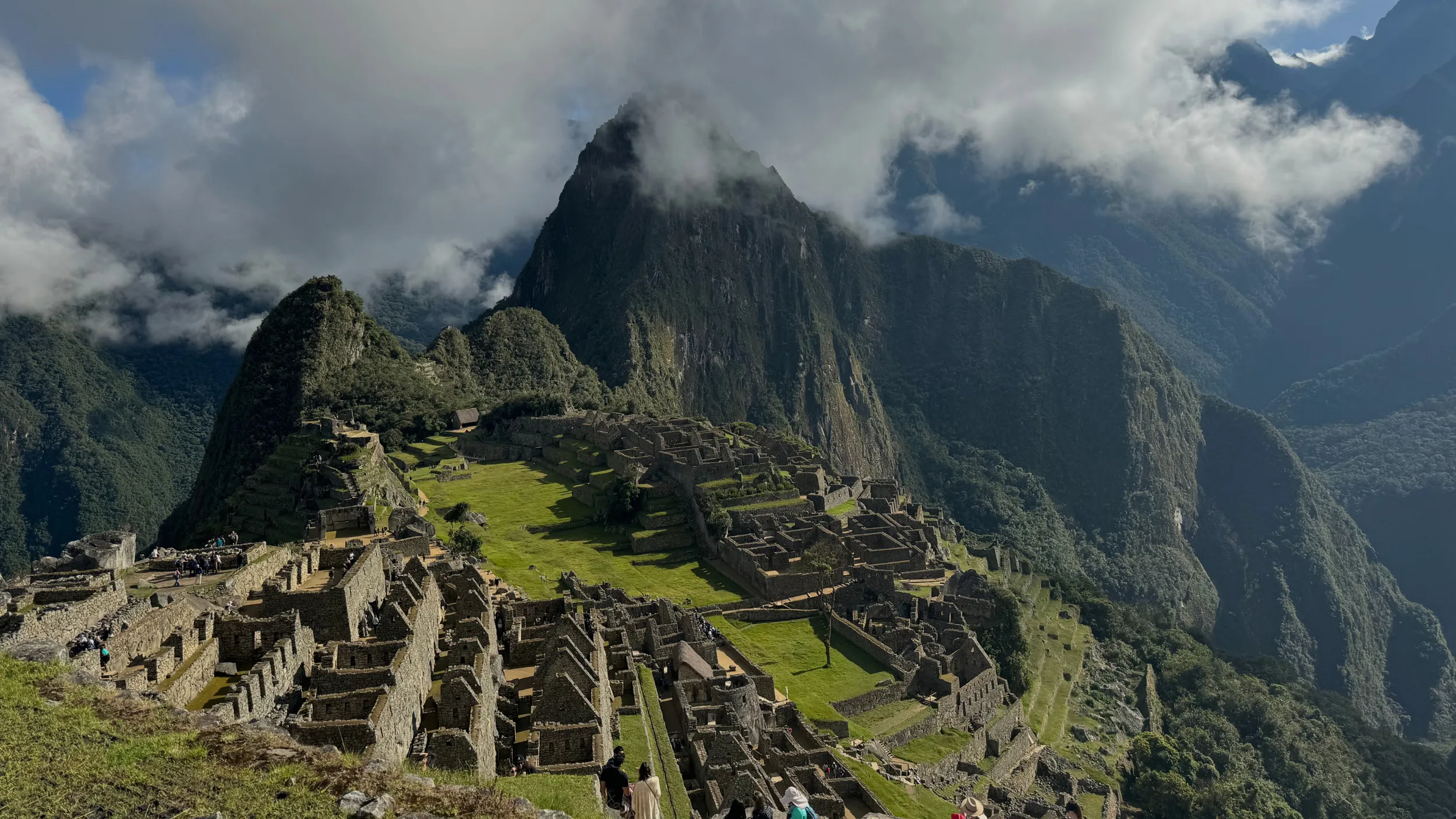
Lunch is taken here before continuing toward the archaeological site. Choquequirao reveals itself gradually, integrated into the mountain rather than standing apart from it.
The guided exploration moves through terraces, ceremonial sectors such as the usnu, and quieter spaces that suggest daily use. The site is observed in relation to its surroundings, not separated from them.
By late afternoon, the return to camp follows the same rhythm. Dinner is shared with the team, closing the day in a calm, open setting.

Details
• Difficulty: Challenging
• Maximum altitude: 3100 m / 10,170ft
• Walking time: 6–7 hrs
• Walking distance: 16 km / 9.9 mi
• Accommodation: Andean Expedition Camps
• Santa Rosa Baja: 1970 m / 6,463 ft
• Marampata (camp): 2950 m / 9,678 ft
• Choquequirao: 3100 m / 10,170ft
• Arrival: 5:00 pm aprox

The route begins with an early descent back into the canyon. The first section moves through shaded terrain, allowing a more controlled pace as the path drops steadily.
At Playa Rosalina, the river marks a natural pause. The canyon feels enclosed here, with the sound of water defining the space. Time is taken to rest before beginning the climb on the opposite side.
The ascent toward Cocamasana is gradual but exposed. Heat returns as elevation increases, requiring a consistent, measured pace. The day is defined by progression rather than speed.
Arrival at camp comes in the early afternoon. The remaining time is open—used to rest, observe the canyon, or simply remain still. Dinner is prepared and shared with the team as the light softens across the valley.

Details
• Difficulty: Moderate
• Maximum altitude: 2950 m / 9,678 ft
• Walking time: 7–8 hrs
• Walking distance: 14 km / 8.6 mi
• Accommodation: Andean Expedition Camps
• Marampata: 2950 m / 9,678 ft
• Playa Rosalina: 1550 m
• Cocamasana (camp): 2450 m / 8,038 ft
• Arrival: 2:00 pm

The final day begins with a steady ascent toward Capuliyoc. The trail climbs gradually, retracing the upper edge of the canyon. With elevation, the landscape opens again, revealing the full route traveled over previous days.
At the top, lunch is shared with the team in a final gathering before departure. This is a natural point to close the trekking portion and acknowledge the work behind the journey.
The return to Cusco follows by road, with a brief stop in Limatambo before continuing to the city.
Arrival is in the afternoon, marking the end of a route defined by distance, terrain, and continuity of movement.

Details
• Difficulty: Moderate
• Maximum altitude: 3000 m
• Walking time: 4–5 hrs
• Walking distance: 8 km / 4.9 mi
• Cocamasana: 2450 m
• Capuliyoc: 3020 m
• Cusco: 3350 m
• Total distance: 52 km / 32.3 mi
• Return: 4:00 pm

Logistics

  • Hotel pickup and drop-off in Cusco
  • Private round-trip transportation to the trailhead
  • Duffle bag provided for personal gear during the trek
  • Pre-departure briefing with the expedition team

Experience

  • Professional local guide with deep knowledge of the region
  • Fully guided trekking experience across all stages
  • Entrance ticket to Choquequirao Archaeological Site
  • Continuous support from guides, cooks, and porters

Accommodation

  • 3 nights in Andean Expedition Camps (fully temporary setup)
  • Camps installed and removed daily, with no permanent infrastructure

Food

  • Daily breakfasts prepared at camp
  • Fresh lunches served along the route
  • Dinners prepared by the trekking team in remote camps
  • Meals adapted to dietary requirements when needed

Hydration

  • Filtered water provided during the trek
  • Additional water available for purchase in certain sections

Safety

  • First-aid kit carried by the guide
  • Emergency oxygen available when required

Added Value

  • Cultural and environmental interpretation integrated into the route
  • Small group sizes for a controlled and flexible pace
  • Fully temporary camps — no permanent infrastructure
  • Route selection focused on low-traffic paths

Some elements remain intentionally flexible:

Travel Insurance

  • Strongly recommended, especially for high-altitude trekking

Personal Expenses

  • Additional snacks, drinks, or local products along the route

Additional Snacks or Beverages

  • Any extra items outside the planned meals

Optional Services

  • Horse support (if required for personal assistance)
  • Trekking poles (rental available)
  • Sleeping bag (rental available)
  •  

Tips for the Team

  • All team members receive fair and consistent payment
  • Tips are optional, but they are a meaningful way to acknowledge the effort of guides, cooks, and porters

Trip Info

  • Andean Expedition Camps
  • Cusco
  • Cusco
  • Professional local guide with deep knowledge of the region
  • Hotel pickup and drop-off in Cusco
  • 3100 m / 10,170ft
  • 4 breakfasts, 4 lunches, 3 dinners

What to Bring

Essentials

  • Passport (student ID if applicable)
  • Cash in Peruvian soles
  • Personal medication

Clothing (Layer System)

  • Lightweight waterproof jacket
  • Light warm layer (for evenings)
  • Breathable trekking clothing
  • Trekking pants

Footwear

  • Hiking boots, well broken-in and suitable for uneven terrain

Protection

  • Hat (sun exposure)
  • Sunglasses
  • Sunscreen and lip balm
  • Strong insect repellent (essential in canyon sections)

Personal Gear

  • Daypack (20–30L)
  • Water (minimum 2 liters recommended)
  • Camera or phone

Optional

  • Trekking poles
  • Rain poncho
  • Personal snacks
  • Power bank

Request Your Date & Join a Group

To ensure the best experience and keep our trips personal, you can submit a non-binding request for your preferred date here. As soon as enough travelers join, we will confirm your trip and get everything ready for your adventure.


Related trips you might interested in

1

Food Experience

Meals are prepared with ingredients sourced from Andean communities and nearby valleys. Cooking takes place in the field, adapted to altitude and conditions.

The team prepares traditional Peruvian dishes with precision and simplicity—food that supports the physical demands of the route while maintaining a direct connection to the region.

2

Safety Approach

Preparation begins before departure with a detailed briefing, where participants can ask questions and understand route conditions, climate, and physical demands.

Guides continuously assess terrain, weather, and group condition. Decisions are made in real time—especially in canyon sections where heat and exposure vary significantly.

The route is managed through awareness, not rigid timing.

3

Philosophy

We use temporary camps and leave no trace behind. We walk routes where presence is limited, allowing the landscape to remain as it is.

For us, luxury is found in space, silence, and continuity with the natural world.