Ausangate Trek - Pachamama Expeditions Travel Skip to main content

Pachamama Expeditions Travel

Pachamama – High Silence – Llamas and Alpacas

Ausangate Trek

The Ausangate trek moves through a part of the Andes where life remains closely tied to land, altitude, and seasonal cycles. Communities here continue to rely on herding, weaving, and long-standing knowledge passed across generations. The route does not isolate these elements—it moves through them.

4 Days 3 Nights

Trip Highlights

  • Entrance to Rainbow Mountain (Vinicunca)
  • Entrance to Ausangate territory
  • Access to Pacchanta hot springs
  • Entrance to the 7 Lakes of Ausangate circuit

Ready to explore? Simply send us your preferred date

Ausangate trek

Each day unfolds at a steady, unforced pace. Camps are set in open terrain, often near water or beneath the presence of the mountains locals understand as Apus. Time is shared with the trekking team in simple, consistent ways—through meals, movement, and daily routines.

Walking here requires adaptation: thinner air, changing weather, and distance between settlements. This is not a path to be completed, but one to be read gradually.

If you are open to understanding local ways of life, the journey becomes a space to learn—through presence, observation, and time shared within the Andes.

No crowds. No imposed rhythm. No unnecessary structure.

Movement follows the logic of the land: high passes, open valleys, and long distances between settlements. Camps remain temporary. Nothing is altered.

Itinerary

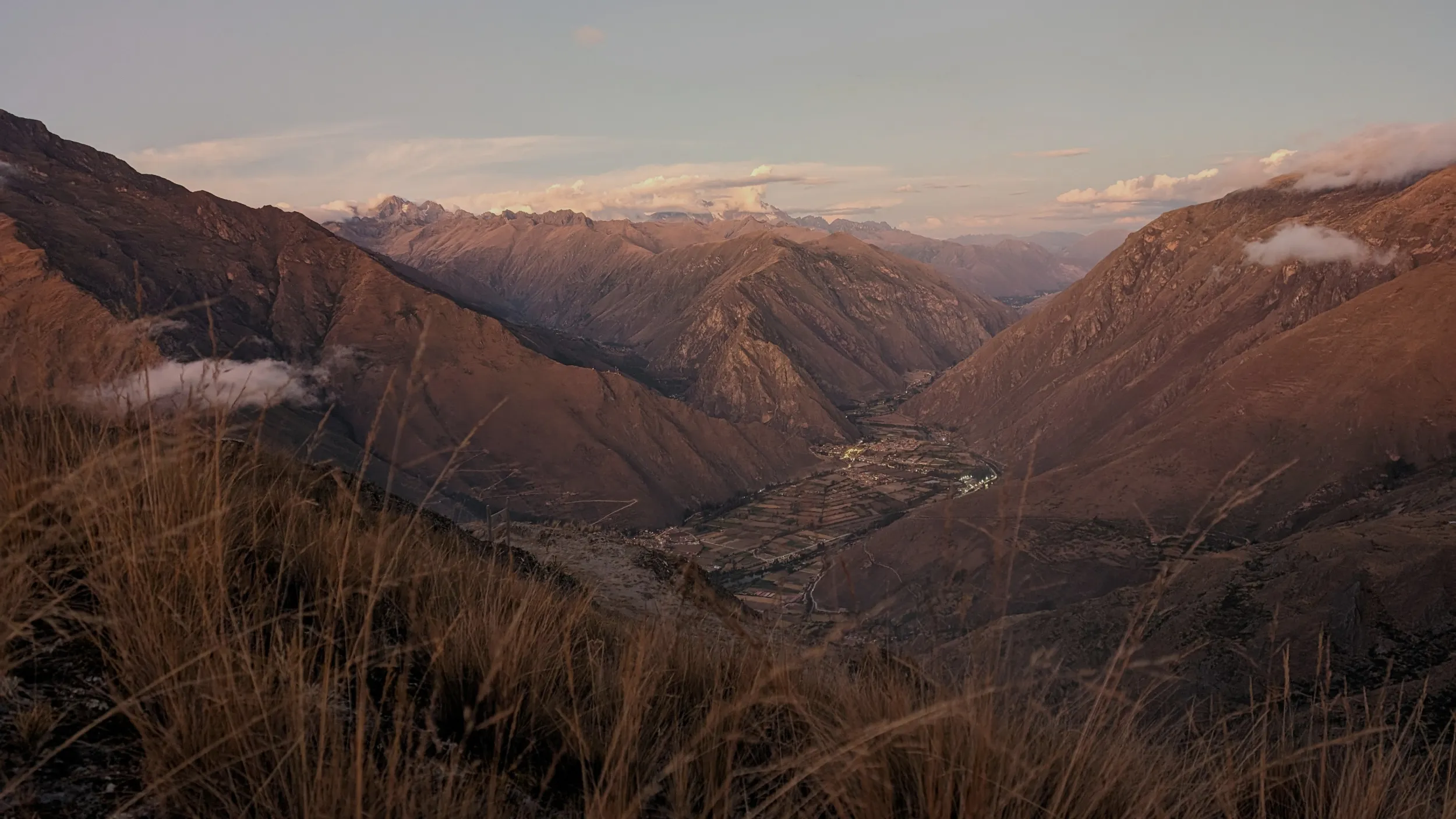
Departure begins early (5:30 am), leaving Cusco toward Cusipata through valleys where small communities rely on livestock and fiber production. After breakfast, the route continues by road until reaching the trailhead.
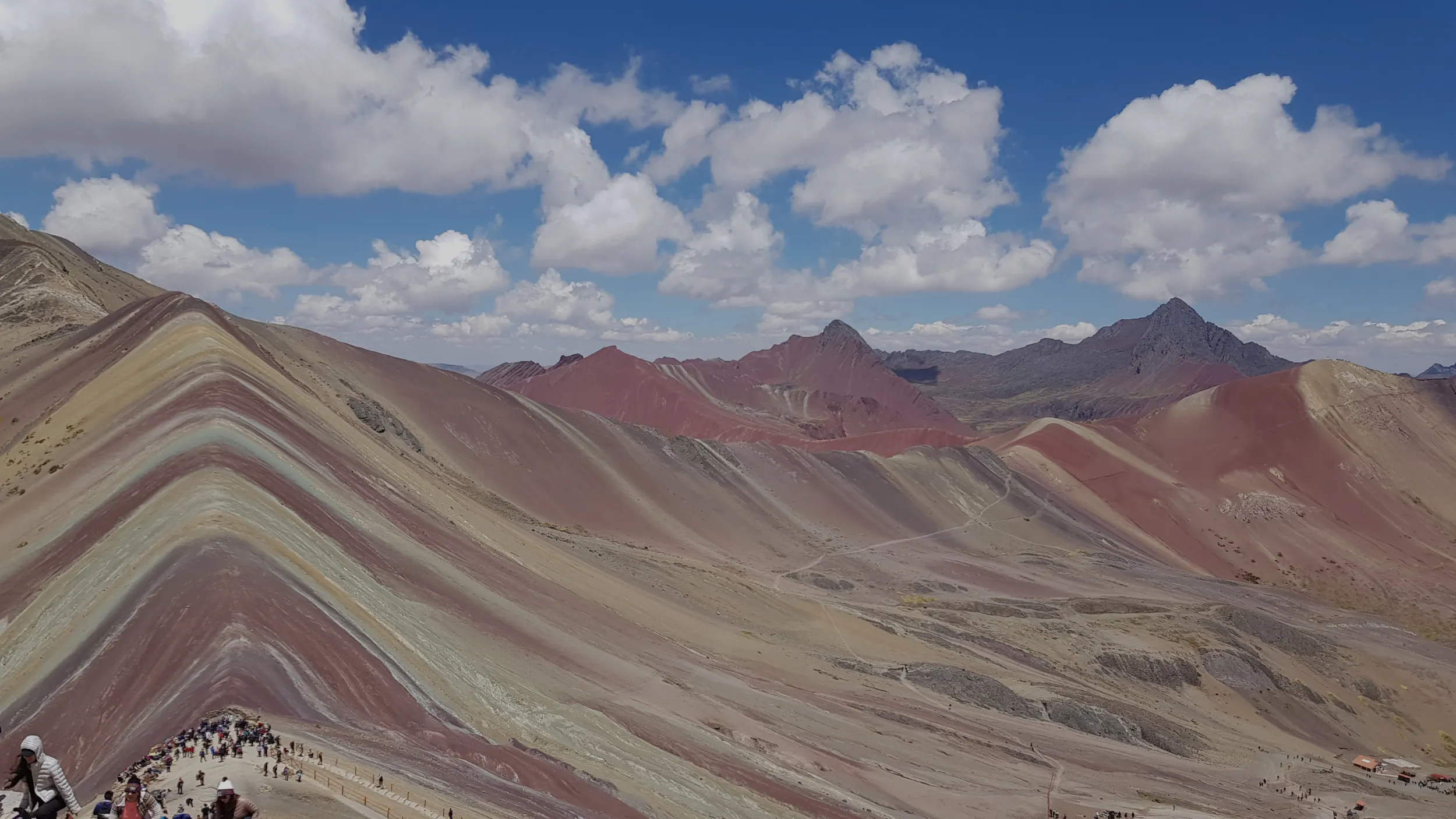
The ascent toward Rainbow Mountain follows a steady incline. The pace remains controlled due to altitude, allowing time for adaptation. The landscape is open and mineral-rich, with limited vegetation. Along the route, Andean birdlife appears—caracaras, Andean geese (wallatas), and ground-dwelling species adapted to cold conditions.
Arrival is timed later in the day, avoiding the main flow of visitors. The area becomes quieter, allowing a more direct reading of the terrain.
Lunch is taken near the mountain. The route then continues toward Surineqocha, where camp is established near the lake. As temperatures drop, the environment becomes still. Dinner is shared outdoors before rest.
Arrival: approx. 4:00 pm

Details
• Difficulty: Moderate
• Maximum altitude: 5050 m / 16,568 ft
• Walking time: 6 hrs
• Walking distance: 11 km / 6.8 mi
• Accommodation: Andean Expedition Camps
• Cusipata: 3,310 m / 10,860 ft
• Rainbow Mountain: 5050 m / 16,568 ft
• Surineqocha (camp): approx. 4,800 m / 15,748 ft
• Arrival: approx. 4:00 pm
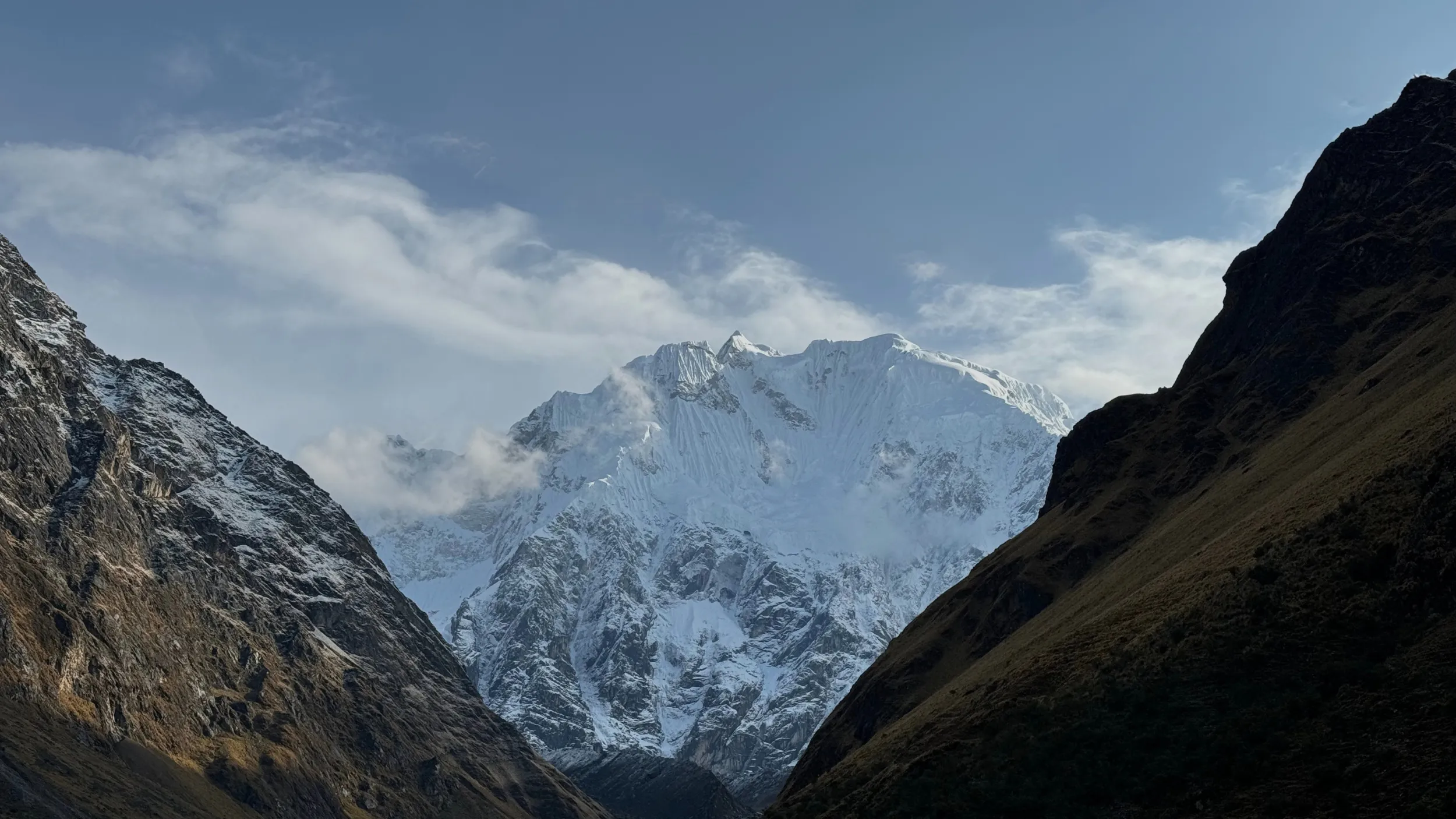
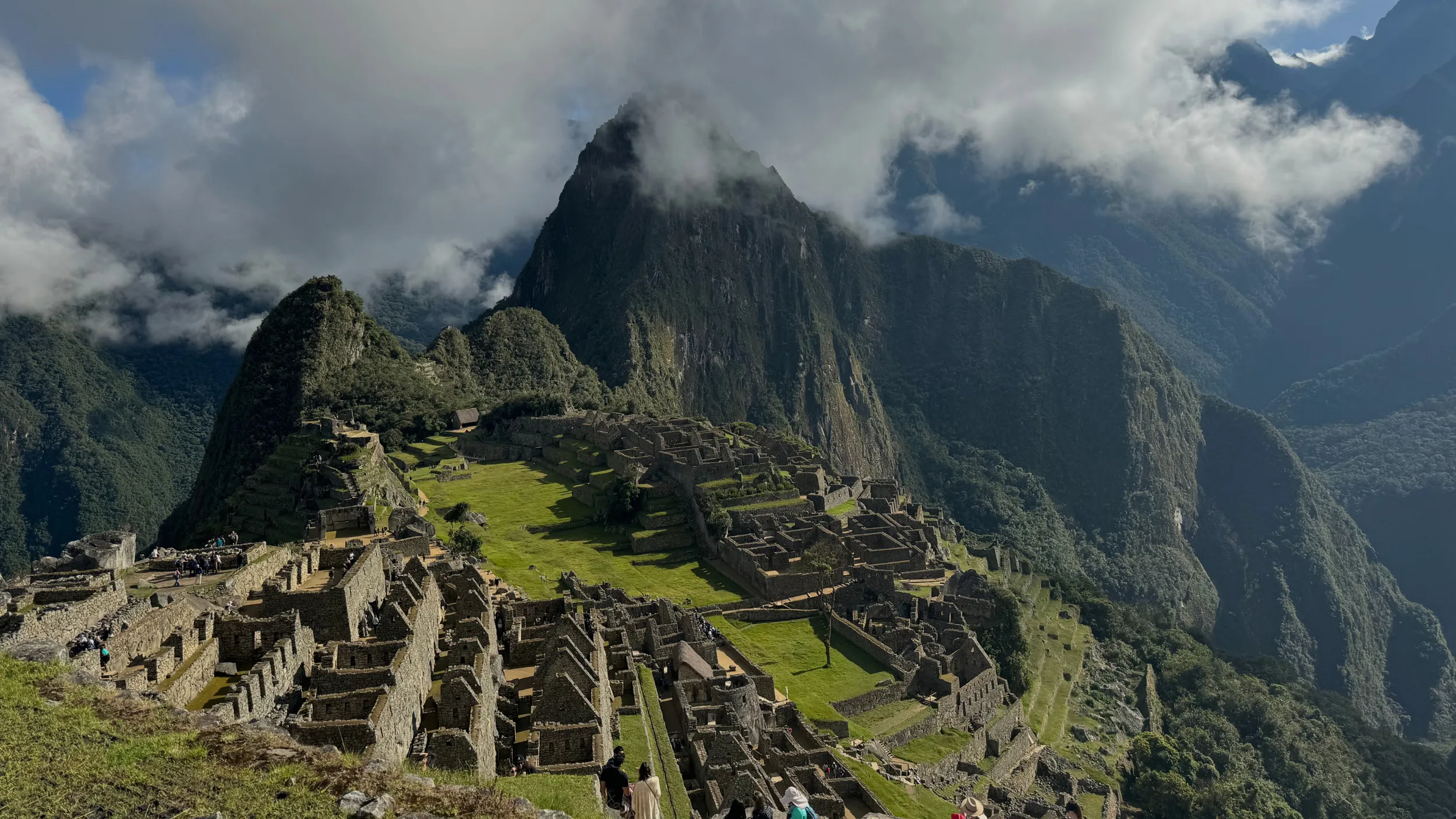
Morning begins at altitude, with breakfast prepared by the team near the lake. The ascent toward Arapa Pass takes around 2–3 hours, following a gradual but constant incline.
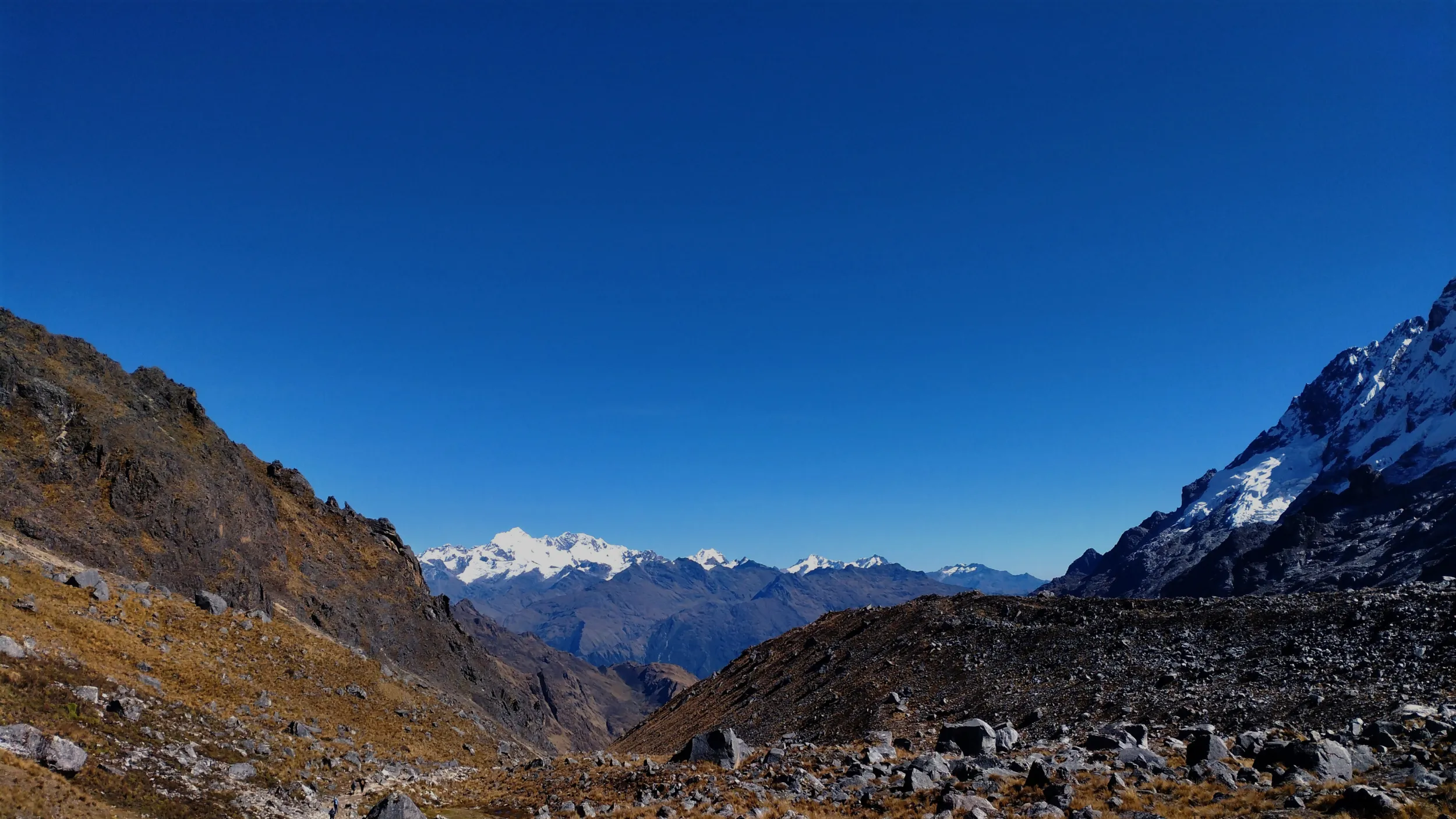
At the pass, the terrain opens fully. Ausangate’s western face becomes visible, dominating the horizon. Wind exposure increases here, and pauses remain short depending on conditions.
The descent continues through grazing lands where herds of alpacas and llamas move under the supervision of local families. There is no separation between trail and livelihood.
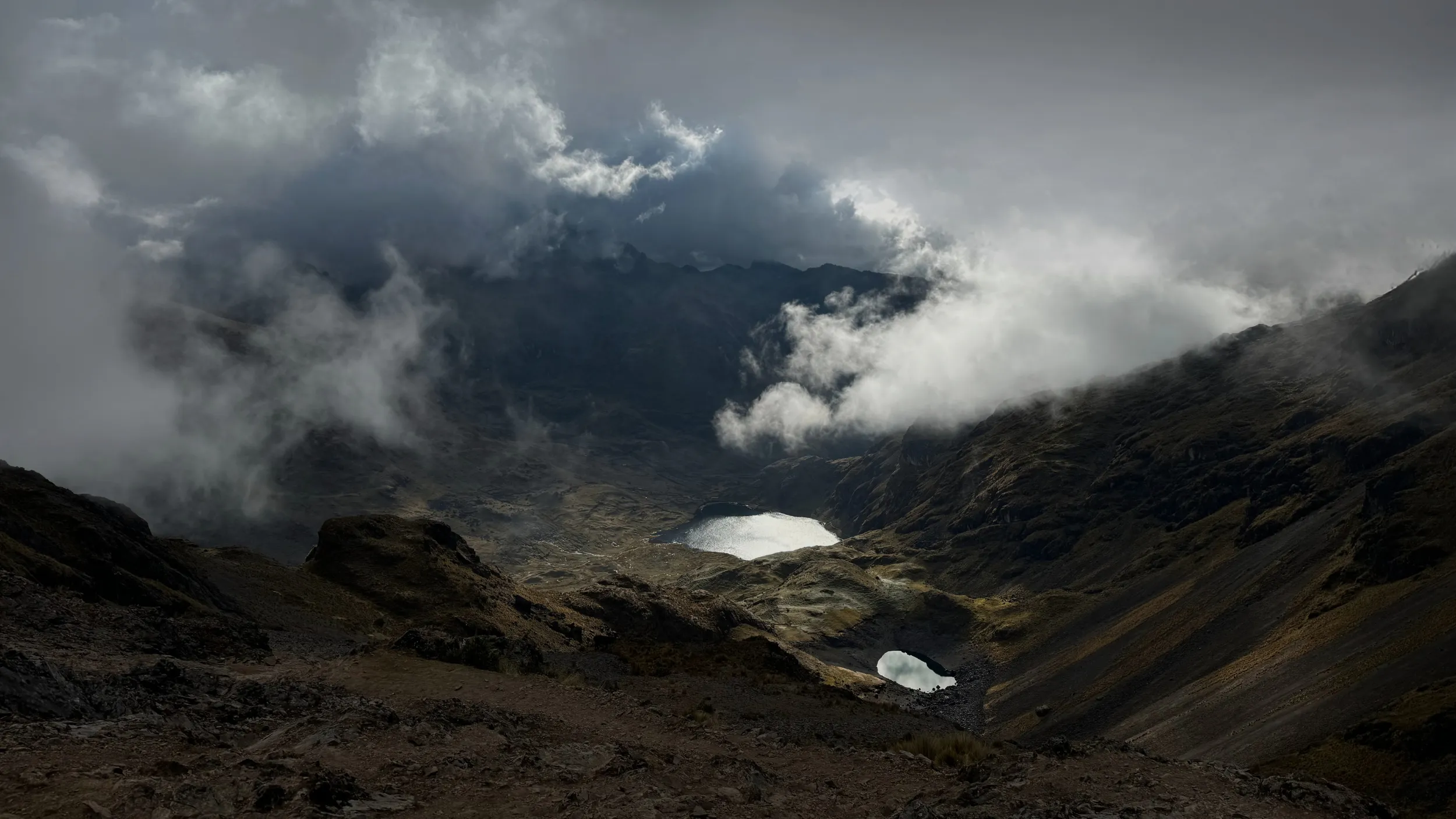
Arrival at Hatun Puka Qocha brings a shift in scale. Several glacial lakes sit beneath the mountain, reflecting changing light throughout the afternoon. Camp is established nearby. The evening remains quiet, with clear skies depending on season

Details
• Difficulty: Moderate
• Maximum altitude: approx. 5050 m / 16,568 ft
• Walking time: 6 hrs
• Walking distance: 12 km / 7.4 mi
• Accommodation: Andean Expedition Camps
• Surineqocha: approx. 4,800 m / 15,748 ft
• Arapa Pass: approx. 5050 m / 16,568 ft
• Hatun Puka Qocha (camp): 4510 m / 14,796 ft
• Arrival: approx. 4:00 pm

The route follows the base of Ausangate, moving across high-altitude plains with alternating ascents and descents. The terrain remains open, with wetlands and grazing zones supporting a high concentration of wildlife.
Movement toward Upis introduces more visible human presence—small settlements and herders working with livestock. Birdlife includes Andean geese, occasional condors, and smaller ground species. Chinchillas may appear in rocky sections.
Lunch is taken along the route with the team. The path then continues toward Pacchanta across broad pasturelands.
Upon arrival, camp is set near the hot springs. The thermal waters emerge naturally from underground sources, offering a direct way to recover after sustained exposure to altitude. The day closes with dinner and rest.

Details
• Difficulty: Moderate
• Maximum altitude: approx. 4800 m / 15,748 ft
• Walking time: 7 hrs
• Walking distance: 16 km / 9.9 mi
• Accommodation: Andean Expedition Camps
• Hatun Puka Qocha: 4510 m / 14,796 ft
• Upis: 4400 m / 14,435 ft
• Pacchanta (camp): 4250 mt / 13,943 ft
• Arrival: approx. 4:00 pm

The day begins early. The route toward the 7 Lakes follows a gradual circuit, reaching the first lagoons by mid-morning. Each lake differs in color and mineral composition, shaped by glacial runoff and surrounding geology.
The path moves sequentially through the system—Otorongo, Hatun Qocha, and others—without fixed stops, allowing a continuous flow through the landscape.
Return to Pacchanta follows the same terrain. Lunch is taken with the team before departure. The transition back to Cusco takes approximately three hours by road, passing through Ocongate and descending gradually.
Arrival is in the afternoon. The journey ends in your hotel

Details
• Difficulty: Moderate
• Maximum altitude: approx. 4800 m / 15,748 ft
• Walking time: 6 hrs
• Walking distance: 13 km / 8.0 mi
• Pacchanta: approx. 4250 mt / 13,943 ft
• 7 Lakes: approx. 4600 m / 15,091 ft
• Cusco: 3350 m / 10,990 ft
• Total distance: 52 km / 32.3ft
• Arrival: approx. 4:00–5:00 pm

Logistics

  • Hotel pickup and drop-off in Cusco
  • Private transportation (round trip: Cusco → trailhead → Cusco)
  • Duffle bag provided for personal gear during the trek
  • Pre-departure briefing in Cusco
  • Walkie-talkies for communication along the route

Professional Support Team

  • Local expedition guide with deep knowledge of Ausangate and Andean culture
  • Experienced trekking cooks and muleteers
  • Full camp setup and logistics handled throughout the route
  • All equipment carried in and out, maintaining a leave-no-trace approach

Experience

  • Full guided trekking experience across the Ausangate circuit
  • Entrance to Rainbow Mountain (Vinicunca)
  • Entrance to Ausangate territory
  • Access to Pacchanta hot springs
  • Entrance to the 7 Lakes of Ausangate circuit
  • Continuous interaction with high Andean environments and local herding communities
  • Wake-up tea each morning at camp
  • Afternoon tea with simple local snacks
  • Daily snacks during the hike
  • Small group size for a more balanced and adaptable pace

Accommodation

  • 3 nights in Andean Expedition Camps
  • Fully temporary expedition setup in remote high-altitude environments
  • High-quality mountain tents designed for cold conditions, wind resistance, and thermal insulation
  • Comfortable sleeping systems adapted to the demands of the Andes
  • No fixed infrastructure — camps are installed and removed daily, leaving no trace

Food

  • Meals are prepared using fresh, natural ingredients sourced from the Sacred Valley and surrounding communities
  • No processed or fast food — all dishes are based on fresh vegetables and locally sourced meats, adapted to the conditions of the trek
  • 4 breakfasts
  • 3 lunches prepared fresh along the route
  • 3 dinners prepared by the trekking team
  • Meals adapted to dietary restrictions when needed

Safety

  • First-aid kit carried by the guide
  • Emergency oxygen available during the trek

Added Value

  • Cultural and environmental interpretation integrated naturally throughout the journey
  • Route designed to avoid high-traffic sections whenever possible
  • Camps set in open, high-altitude environments without permanent impact
  • Expedition rhythm based on adaptation to altitude, weather, and terrain

Some elements remain flexible, allowing each traveler to adapt the journey according to personal needs and preferences.

Drinking Water

  • Water is not included
  • It can be purchased along certain points of the route, often from local families.

Travel Insurance

  • Strongly recommended, especially for high-altitude trekking

Personal Expenses

  • Additional snacks, drinks, or local products along the route

Additional Snacks or Beverages

  • Any extra items outside the planned meals

Optional Services

  • Horse support (recommended if needed due to altitude)
  • Trekking poles (available for rent)
  • Sleeping bag (available for rent)
  • Private tent setup (on request)

Tips for the Team

  • Tips are optional, but remain a meaningful way to recognize the work of the guides, cooks, and muleteers who support the journey in remote terrain.

Trip Info

  • Andean Expedition Camps
  • Cusco
  • Cusco
  • Local expedition guide with deep knowledge of Ausangate and Andean culture
  • Hotel pickup and drop-off in Cusco
  • 5050 m / 16,568 ft
  • 4 breakfasts, 3 lunches, 3 dinners

What to Bring

Preparing for Ausangate is not about comfort—it is about readiness.

This route remains above 4,500 meters for most of the journey. Temperatures can drop significantly, especially at night, reaching -5°C to -12°C depending on the season.

Proper equipment is not optional—it defines your experience.

Essentials

  • Passport (student ID if applicable)
  • Cash in Peruvian soles
  • Personal medication

Clothing (Layer System)

  • Waterproof jacket (wind and snow protection)
  • Heavy warm jacket (essential for cold nights)
  • Mid-layer (fleece or insulated layer)
  • Thermal base layers (top and bottom)
  • Trekking pants suitable for cold conditions

Footwear

  • Hiking boots (well broken-in, suitable for rough terrain and cold ground)

(Cold) Protection

  • Gloves (insulated)
  • Beanie (wool or thermal)
  • Scarf or buff for wind protection
  • Sunglasses (strong high-altitude light)
  • Sunscreen and lip balm
  • Insect repellent (important near lakes and lower sections)

Personal Gear

  • Daypack (20–30L)
  • Water (minimum 2 liters recommended)
  • Headlamp or flashlight
  • Camera or phone

Optional

  • Trekking poles
  • Rain poncho
  • Personal snacks
  • Power bank

Request Your Date & Join a Group

To ensure the best experience and keep our trips personal, you can submit a non-binding request for your preferred date here. As soon as enough travelers join, we will confirm your trip and get everything ready for your adventure.


Related trips you might interested in

1

Food Experience

Meals are prepared in the field using fresh, natural ingredients sourced from the Sacred Valley and nearby communities. There is no reliance on processed or fast food—everything is based on vegetables and locally sourced meats, adapted to the conditions of the trek. At this altitude, food supports movement and recovery, but it also reflects the environment: simple, warm, and aligned with the rhythm of the mountains.

We use a dedicated kitchen tent to provide proper working conditions for our trekking chefs. From there, meals are prepared and shared together in open space, creating a simple and natural sense of gathering as part of the journey

Cooking happens in open terrain, without staging, as part of daily life during the expedition.

Dishes are warm, consistent, and designed to sustain movement across changing environments. Preparation happens within a dedicated kitchen tent, while meals are shared in open space, maintaining a direct connection between team, landscape, and daily rhythm.

2

Safety Approach

Safety begins before the trek, with a clear briefing and preparation for high-altitude conditions.

During the route, guides continuously evaluate weather, terrain, and group condition.
Decisions are made based on real conditions—not fixed schedules.

At this altitude, awareness replaces rigidity.

3

Philosophy

Ausangate is not approached—it is entered.

Interaction with local communities happens through presence, not arrangement.

What defines the journey is not arrival, but the way it is crossed.