Salkantay-Short Inka Trail - Pachamama Expeditions Travel Skip to main content

Pachamama Expeditions Travel

Sacred — Remote — Connected

Salkantay-Short Inka Trail

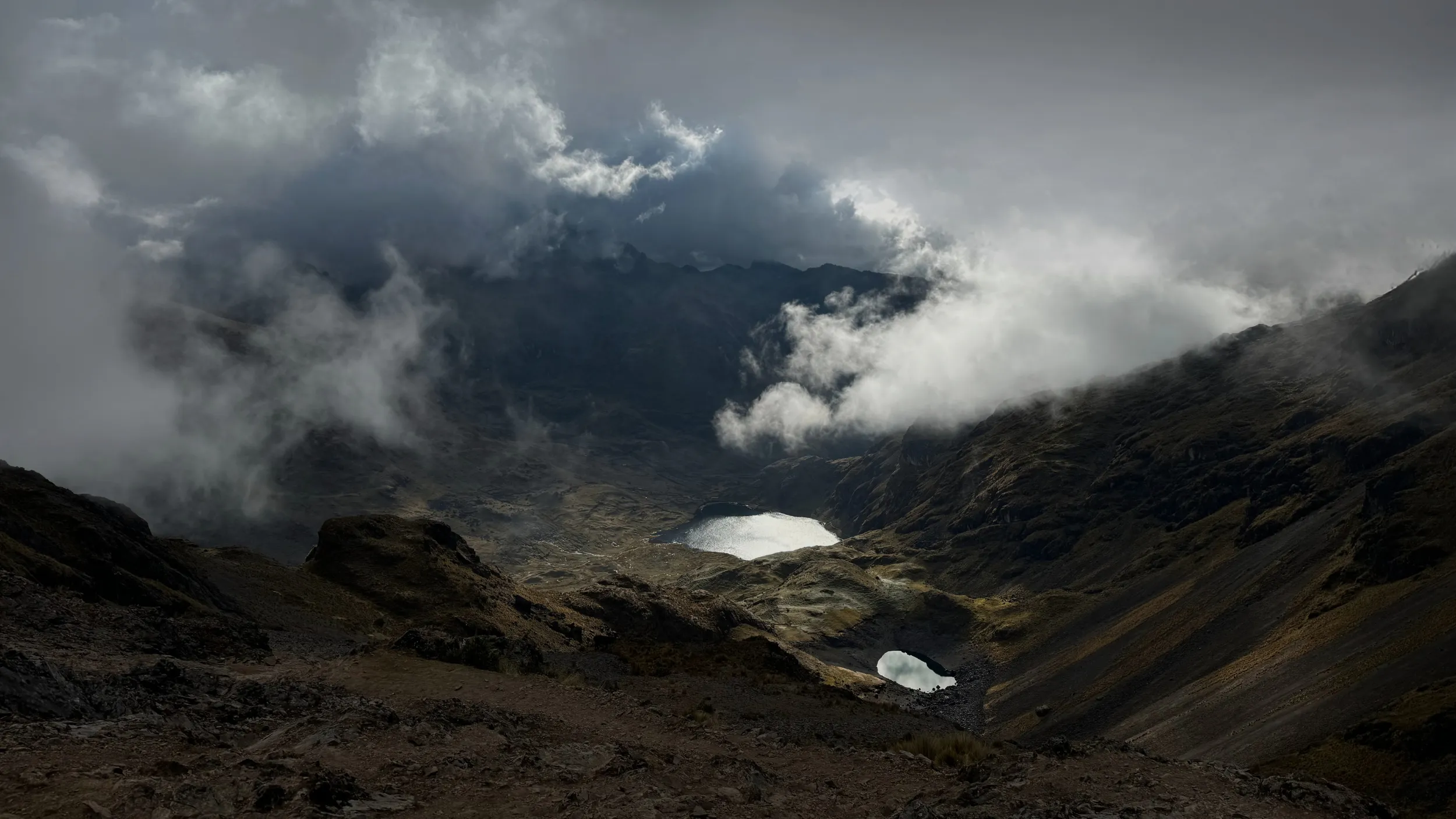
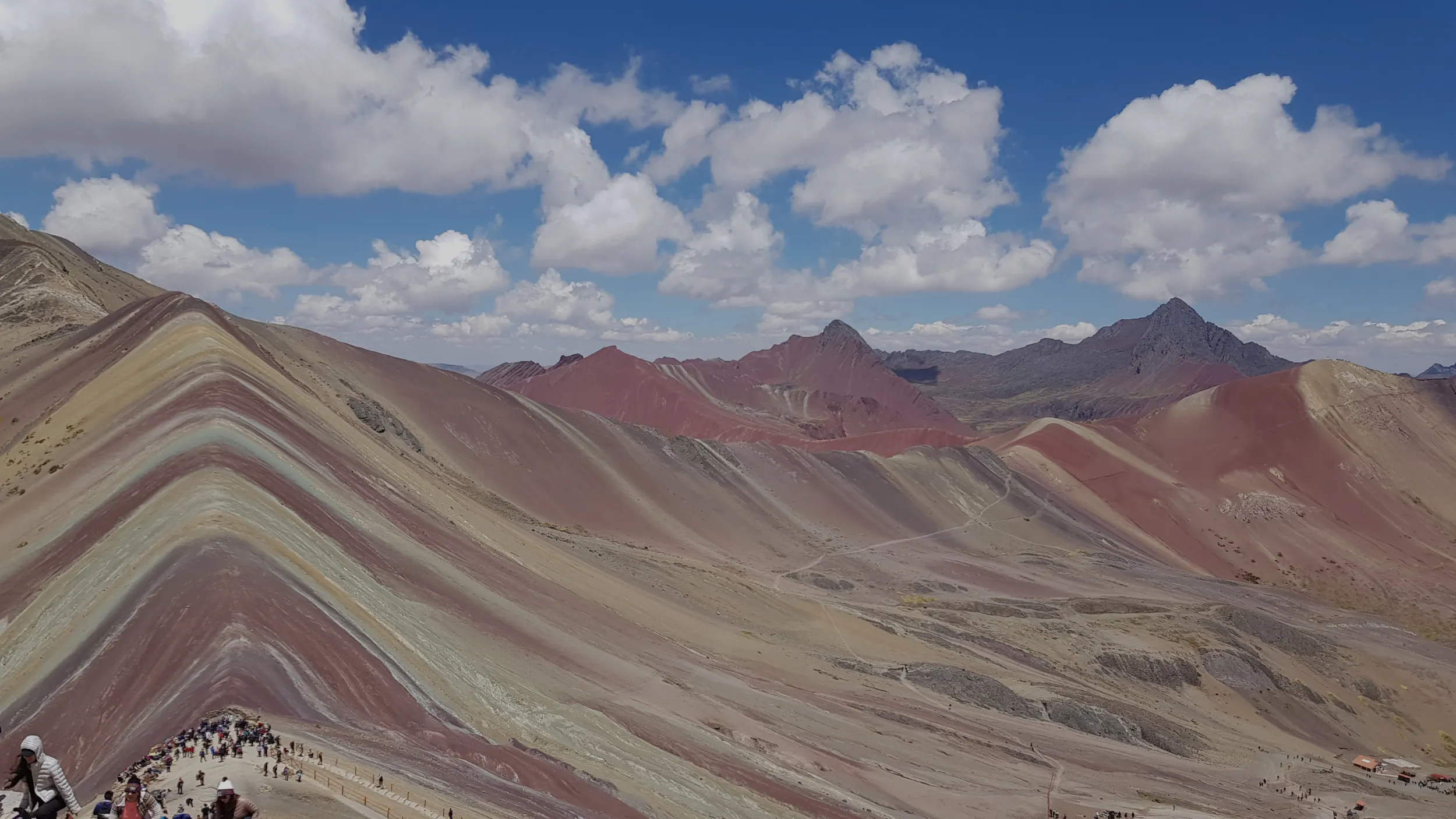
Salkantay Trek to the Inca Trail follows a natural progression through the Andes, where each shift in landscape carries its own rhythm and meaning. It begins near the high-altitude lagoons beneath Salkantay Mountain, in a terrain shaped by ice and silence, where movement feels deliberate and grounded.

5 Days 4 Nights

Trip Highlights

  • Guided tour at Machu Picchu
  • Coffee and cacao experience in the cloud forest
  • Cooking experience with the trekking team

Ready to explore? Simply send us your preferred date

Salkantay-Short Inka Trail

From there, the path descends into the valley of Wayllabamba, where water, grazing animals, and small farming communities reflect a long-standing relationship with the land. Camps are set with care, near rivers and open space, allowing the surroundings to define the experience.

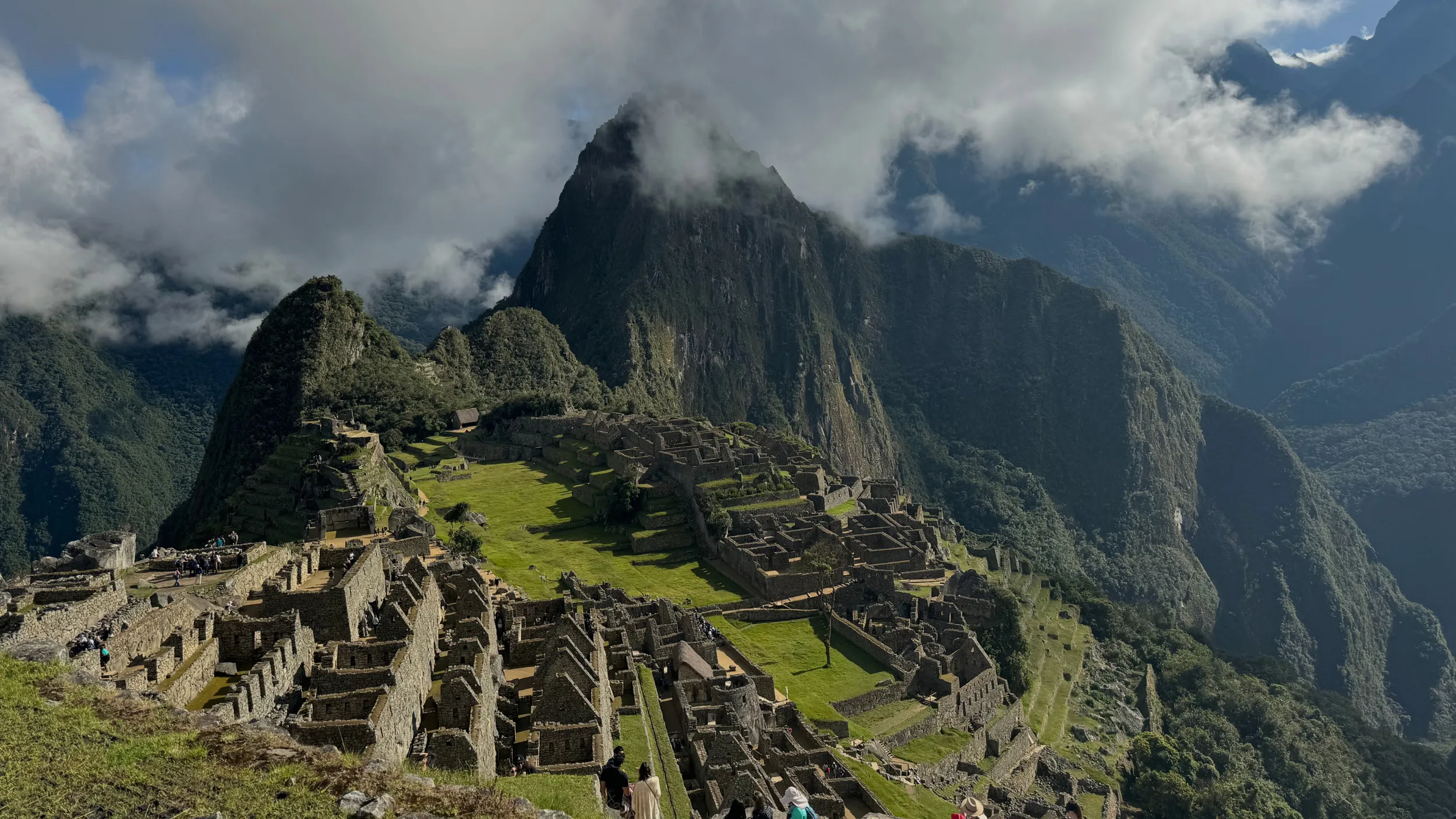
As the journey continues, traces of Inca engineering emerge as part of a living system—water channels, terraces, and pathways still aligned with the terrain. The route then passes through Ollantaytambo, a place where the continuity of Andean life and Inca history remains visible, before connecting with the Short Inca Trail. From here, the forest gradually encloses the path, and the original stonework guides the way forward. The final approach follows this continuity toward Inti Punku, the historic entrance to Machu Picchu, where arrival happens without interruption—earned through the same landscape that has shaped the journey from the beginning.

No crowds. No rush. No unnecessary noise.

We move through the Andes with intention, following the natural rhythm of the mountains rather than trying to control it.

Itinerary

Departure begins at 5:00 am from Cusco, moving quietly through the early morning roads as the city gives way to open Andean terrain. After a short stop in Mollepata for a simple local breakfast, the journey continues toward the trailhead, where the walk begins without rush.

The first section is a gradual ascent toward Humantay Lagoon. The path rises steadily, allowing the body to adapt while the landscape opens around it. There is no urgency in the climb—only a consistent rhythm shaped by altitude and breath. Reaching the lagoon, there is time to explore in silence, to move around its edges, or simply remain still in front of the water.

The descent returns to Soraypampa, where lunch is prepared by the team and shared together in an open, natural setting. After rest, the route continues deeper into the valley toward Salkantay Pampa. The afternoon light softens the terrain, and the presence of the mountain becomes more defined as camp approaches.

At Salkantay Pampa, the team sets camp without altering the land. Tea is served, followed by dinner. The night settles in with a quiet that belongs to this altitude—clear, cold, and undisturbed.

Details:
• Difficulty: Moderate
• Maximum altitude: 4220 mt/13,845ft
• Walking time: 6 hrs
• Walking distance: 12km/7.4mi
• Accommodation: Andean Expedition Camps
• Soraypampa (trail head): 3800 mt/ 12,467ft
• Salkantay pampa (campsite): 4150 mt/ 13,615ft
• Humantay lagoon: 4220 mt/13,845ft
• Arrival at Camp: Approx 5 pm
The morning begins with a shared breakfast prepared by the team, a moment that feels less like service and more like routine life in the mountains. There is time to sit together, to talk, and to prepare for what is the most demanding stage of the route.

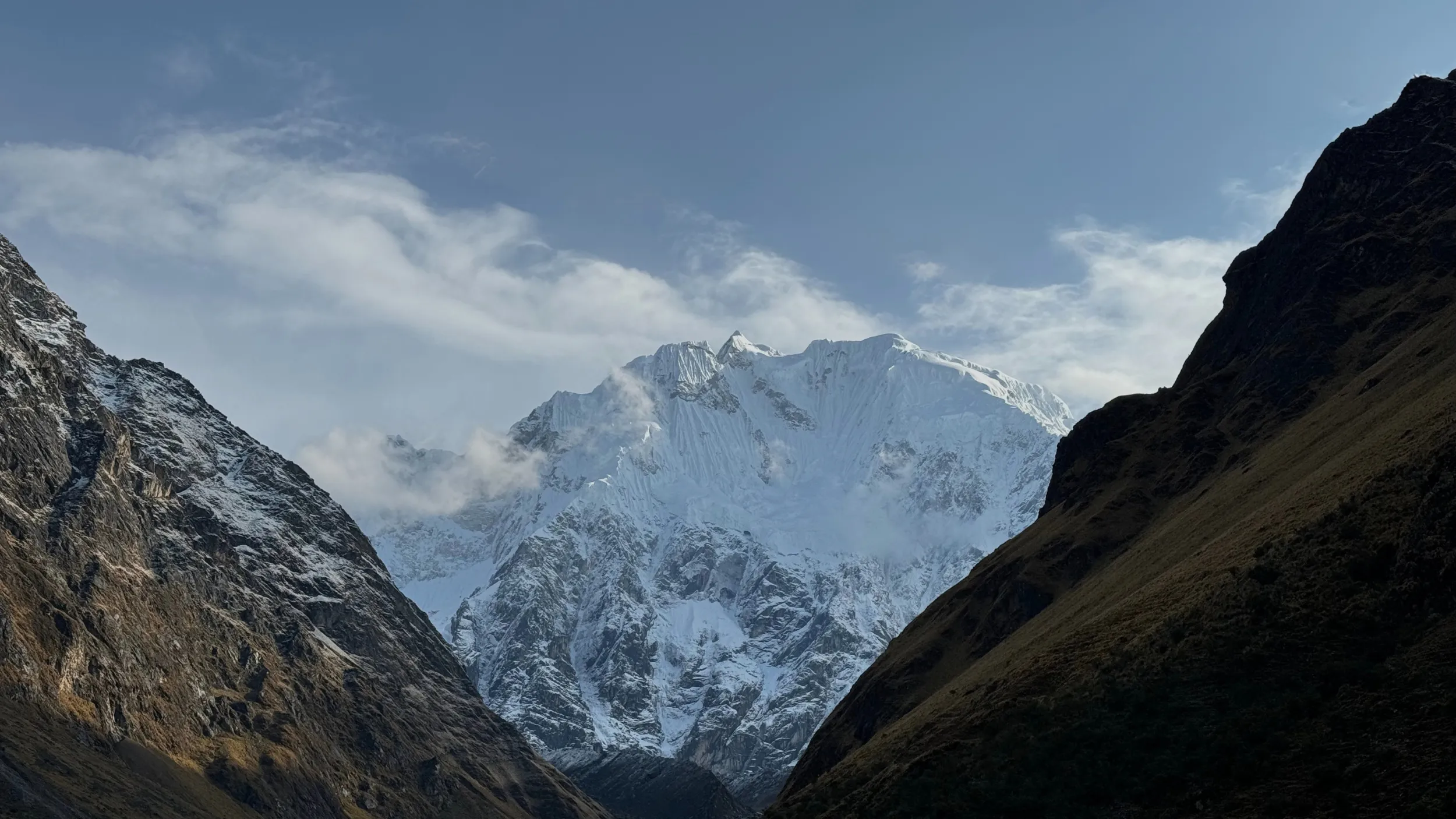
The trail climbs steadily for about three hours toward Salkantay Cocha. The landscape becomes more austere as altitude increases, with fewer signs of vegetation and a stronger presence of rock and glacier. The lagoon appears quietly along the way, held between slopes and sky, offering a brief pause before continuing higher.

From here, the ascent continues toward the highest point of the trek, reaching close to 5000 meters. The final section is taken at an individual pace. There is no defined rhythm here—only the one each person can sustain. At the top, the moment is simple: wind, space, and the awareness of having crossed a natural threshold.

The descent toward Pampacahuana begins gradually. As altitude decreases, the terrain softens and the presence of life returns—llamas and alpacas grazing, and occasional encounters with local families moving through the same landscape.

Lunch is taken along the route, prepared by the team and shared without structure. Arrival at Pampacahuana comes in the afternoon, where camp is set in a more sheltered valley. The evening follows quietly, shaped by conversation, food, and the slower rhythm that comes after a long day.

Details:
• Difficulty: Challenging
• Maximoun altitude: 5000m / 16,404ft
• Walking time: 8 hrs
• Walking distance: 16km/9.9mi
• Accommodation: Andean Expedition Camp
• Salkantay pampa (trail head): 4150 mt/ 13,615ft
• Salkantay lagoon: 4500 mt/ 14,763ft
• Pampacahuana: 4100 mt/ 13,451ft
• Arrival at Camp: Approx. 5:00 pm

The third day shifts away from high altitude intensity into a more human landscape. The trail descends gradually, following paths that begin to show traces of older use—stone sections, terraces, and quiet archaeological remains that appear along the way.

Sites such as Llaqtapata are encountered without interruption, integrated into the route rather than separated from it. The experience here is not about stopping for long explanations, but about understanding how these spaces connect to the land and to the people who once moved through them.

As the descent continues, the valley opens and the environment becomes more familiar—fields, small houses, and cultivated land marking the approach to Piscacucho. Lunch is shared along the way, maintaining the same dynamic that has carried the group since the beginning.

By afternoon, arrival at Piscacucho brings a different kind of experience. Instead of a remote campsite, the night is spent near a local family. The setting is simple and real, offering a closer understanding of daily life in this part of the Sacred Valley. There is time to share space, observe routines, and connect in a way that cannot be staged.

Dinner is prepared and shared in this environment, closing the day not in isolation, but in quiet proximity to a living culture.

Details:
• Difficulty: Moderate
• Maximum altitude(trail head): 3600mt/11,811ft: 3600 m
• Walking time: 7 hrs
• Walking distance: 15 km/9.3mi
• Accommodation: Local Family Setting
• Pampacahuana(trail head): 3600mt/11,811ft
• llactapata: 3000mt/ 9,842ft
• Piscacucho (campsite):2650mt/ 8,694ft
• Arrival at Camp: Approx. 4:00 pm

The morning begins with a transition by road toward Ollantaytambo, following the river as the landscape shifts once more. From there, the train continues deeper into the valley, where vegetation thickens and the air becomes warmer.

At KM 104, the trail resumes on foot. This section of the Inca Trail feels enclosed and quieter, with stone paths leading through dense vegetation. The climb is steady, passing through sites such as Wiñay Wayna, where the presence of the past is still embedded in the terrain.

The final stretch leads to the Sun Gate. Machu Picchu appears gradually, framed by the late afternoon light. This first view is brief and unforced—an introduction rather than a conclusion.

The descent continues toward Aguas Calientes, where the group settles into town for the night. Dinner and a short briefing prepare for the following morning.

Details
• Difficulty: Challenging
• Maximum altitude: 2720mt/ 8,923ft
• Walking time: 6 hrs
• Walking distance: 12km/7.4mi
• Accommodation: Hotel
• Chachabamba (trail head): 2000mt/6,561ft
• Intipunku(sungate) 2720 mt/ 8,923ft
• Aguas Calientes (campsite):2070mt/6,791ft
• Arrival at Camp: Approx. 5 pm

The final morning begins early, returning to Machu Picchu before the larger groups arrive. The light reveals the site slowly, allowing a quieter experience of the space.

A guided walk provides context to what has been reached—not only the structure itself, but its relationship with the surrounding mountains and valleys. Afterward, time is left open to explore without direction.

The return follows the same path back to Aguas Calientes, where there is time for lunch before boarding the train. The journey retraces the river through the valley, gradually reconnecting with the road at Ollantaytambo.

From there, transport returns to Cusco, arriving in the early evening. The expedition closes without ceremony, carrying forward what was experienced across the days—movement, landscape, and the people who shaped the path.

Details
• Difficulty: Moderate
• Maximum altitude: 2400 mt/ 7,874ft
• Walking time: 5 hrs
• Walking distance: 8 km/4.9mi
• Aguas Calientes:2070mt/6,791ft
• Machupicchu: 2400 mt/ 7,874ft
• Cusco (final): 3350mt/10,990ft
• Total distance: 63km/ 39.1
• Return time(cusco): Approx. 6:30 pm

Logistics

  • Hotel pickup and drop-off in Cusco
  • Private transportation (round trip)
  • Duffle bag provided for personal gear during the trek
  • Pre-departure briefing
  • Walkie-talkies for communication along the trail

Professional Support Team

  • Experienced trekking chefs and porters
  • Full camp setup and logistics handled throughout the route
  • All equipment carried in and out, leaving no trace in the environment

Experience

  • Professional local guide with deep knowledge of the region (Walkie-talkies for communication along the trail
  • Guided trekking experience across all stages
  • Guided tour at Machu Picchu
  • Total walking distance 75 km/ 46.6mi 
  • Cooking experience with the trekking team
  • Coffee and cacao experience in the cloud forest
  • Wake-up tea each morning at camp
  • Afternoon tea or “happy hour” with local snacks
  • Daily snacks during the hike

Food

  • 5 breakfasts
  • 4 lunches prepared fresh along the route
  • 4 dinners prepared by the trekking team
  • Meals adapted to dietary restrictions when needed

Safety

  • First-aid kit carried by the guide
  • Emergency oxygen available during the trek

Added Value

  • Cultural and environmental interpretation integrated throughout the journey 
  • Small, carefully managed groups for a more personal pace 
  • Fully temporary expedition camps with no permanent infrastructure 
  • Route selection focused on low-traffic paths and a quieter experience of the Andes

Some elements are intentionally left flexible, allowing each traveler to adapt the experience according to personal preferences and needs along the journey.

Drinking Water

  • Water is not included, but it is available for purchase along different points of the route, often from local families and small communities. 

Travel Insurance

  • Strongly recommended for all participants, covering trekking activities and potential travel disruptions. 

Personal Expenses

  • This includes additional snacks, beverages, or local products purchased along the trail, such as coffee, fresh fruits, or small items offered by communities along the way.

Additional Snacks or Beverages

  • While meals are provided, any extra items outside of the planned service can be purchased independently.

Final Lunch in Aguas Calientes

  • The final lunch after visiting Machu Picchu is not included, allowing flexibility to choose according to individual preferences.

Optional Services

  • Horse support (if required for personal assistance)
  • Trekking poles (rental available)
  • Sleeping bag (rental available)
  • Single accommodation upgrade (for travelers requesting private arrangements)
  • Additional entrance tickets (Huayna Picchu or Machu Picchu Mountain, subject to availability)

Tips for the Team

  • All members of the trekking team receive fair and consistent payment. Tips are not mandatory, but they are an important and meaningful way to recognize the effort and dedication of the guides, cooks, and porters. If you feel the experience has been positive, tipping is a personal gesture that is always appreciated and directly supports the people who make the journey possible.

Trip Info

  • Andean Expedition Camps, local Family Setting and Hotel
  • Cusco
  • Cusco
  • Guided trekking experience across all stages
  • Hotel pickup and drop-off in Cusco
  • 5000 m / 16,404ft
  • 5 breakfasts, 4 lunches, 4 dinners

What to Bring

Preparing for the Salkantay route is less about carrying more, and more about carrying with intention. The trail moves through shifting worlds — from the silence of high-altitude passes to the living warmth of the cloud forest. What you bring should support your body, your rhythm, and your connection with the journey.

Essentials

  • Passport (required for Machu Picchu entry)
  • Student ID (if applicable and previously used for booking)
    Cash in Peruvian soles for small purchases along the route
  • Personal medication (if you have allergies or specific conditions, you must bring your own medication — the trail is remote and not a place to improvise)

Clothing (Layer System)

  • The mountain teaches quickly: mornings can be sharp and cold, while afternoons open into warmth. Layering allows you to adapt without resistance.
  • Mid-layer (fleece or similar) for adaptable insulation
  • Trekking pants suitable for long days on the trail
  • Thermal base layer for colder section

Footwear

  • Hiking boots, well broken-in and suitable for uneven terrain

Protection

  • Hat and gloves
  • Sunglasses
  • Sunscreen and lip balm
  • Insect repellent (essential as you descend into warmer, more humid zones)

Personal Gear

  • Daypack (20–30L)
  • Water (minimum 2 liters recommended)
  • Camera or phone

Optional

  • Trekking poles
  • Rain poncho
  • Personal snacks
  • Power bank

Request Your Date & Join a Group

To ensure the best experience and keep our trips personal, you can submit a non-binding request for your preferred date here. As soon as enough travelers join, we will confirm your trip and get everything ready for your adventure.


Related trips you might interested in

1

Food Experience

Meals on the trail are not an afterthought — they are part of the journey itself.

We work with fresh, organic ingredients sourced from the Sacred Valley and surrounding Andean regions, respecting both the land and the people who cultivate it. Each dish is prepared daily in the mountains by chefs who genuinely love what they do — not just cooking, but creating moments of comfort and connection in remote places.

Our menus bring together the depth of Peruvian cuisine and selected international dishes, offering both familiarity and discovery. You may find yourself enjoying classics like lomo saltado, ceviche, or pachamanca, alongside thoughtfully prepared international options — all adapted to the rhythm and conditions of the trek.

Food here is not about luxury in excess, but about nourishment, care, and the simple pleasure of a well-prepared meal in the middle of nature.

2

Safety Approach

Safety is not a protocol we follow — it’s a constant awareness we carry throughout the journey.

Preparation begins before the trek, with a detailed and open briefing where participants are encouraged to understand every aspect of the experience. This is a space to align expectations, answer questions, and prepare both practically and mentally for the days ahead. A participation agreement is also completed at this stage.

During the trek, our guides continuously read the environment — weather shifts, terrain conditions, and the group’s overall state. Decisions are made in real time, with flexibility and responsibility, allowing the journey to adapt naturally rather than forcing it into a rigid schedule.

In the mountains, safety comes from experience, presence, and the ability to listen — to the land and to the group.

3

Philosophy

This is a quieter path — one that invites observation, respect, and a different kind of connection.

Our approach to travel is grounded in responsibility: toward local communities, the environment, and the cultural depth of this region. We believe in leaving no trace — not only physically, but also in how we engage with the places we visit.

For us, true luxury is not defined by excess, but by access — the privilege of experiencing nature in its most honest form. To arrive, to understand, and to leave without disruption.